Aerial Combat Drone Challenge
Drone coordination where every role has airspace consequences.
Aerial Combat Drone Challenge turns the room into a mission-control environment where pilots, spotters and planners must stay precise under time pressure. The activity works because small communication gaps become visible quickly, giving teams a memorable way to discuss remote coordination, role clarity and decision discipline.
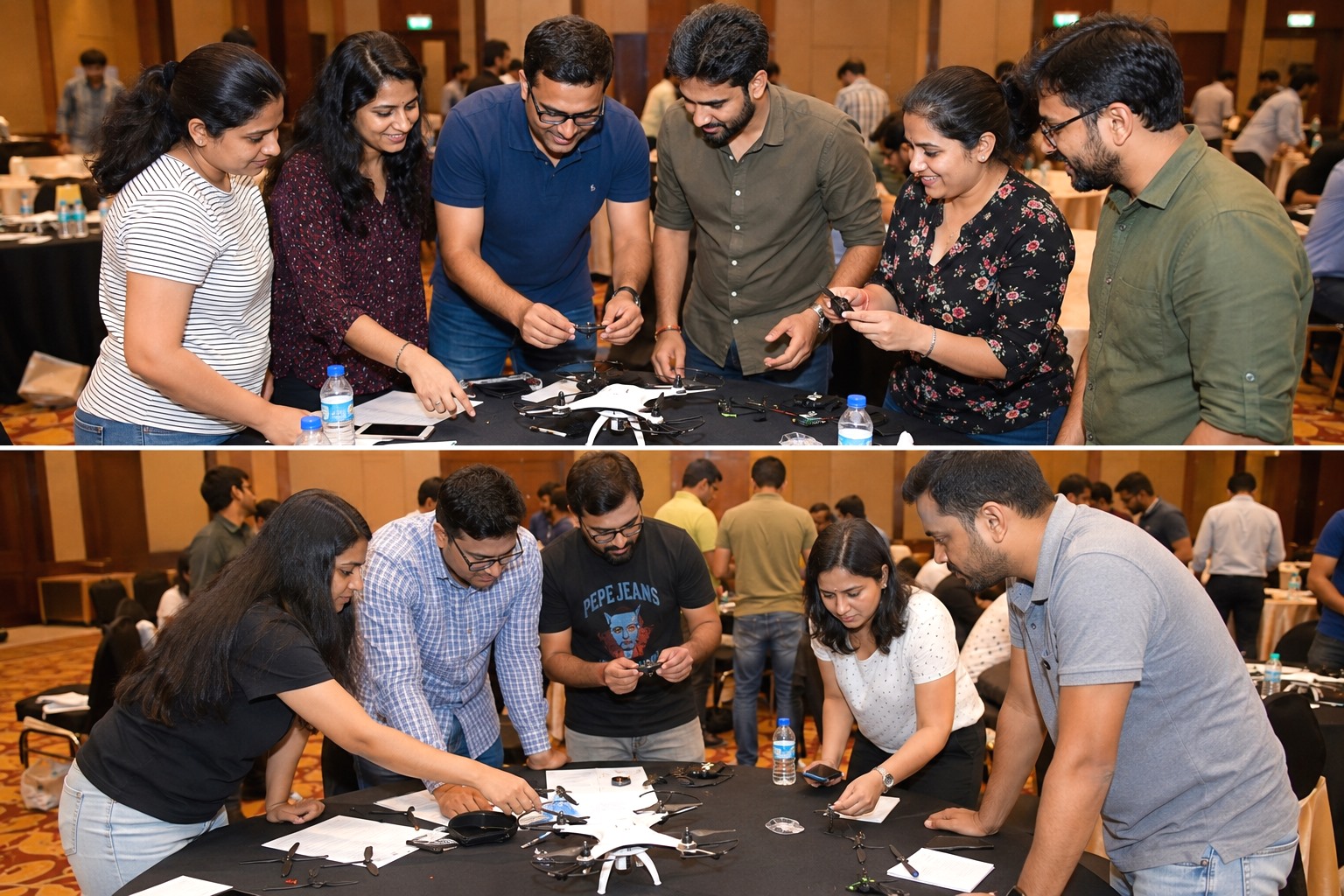
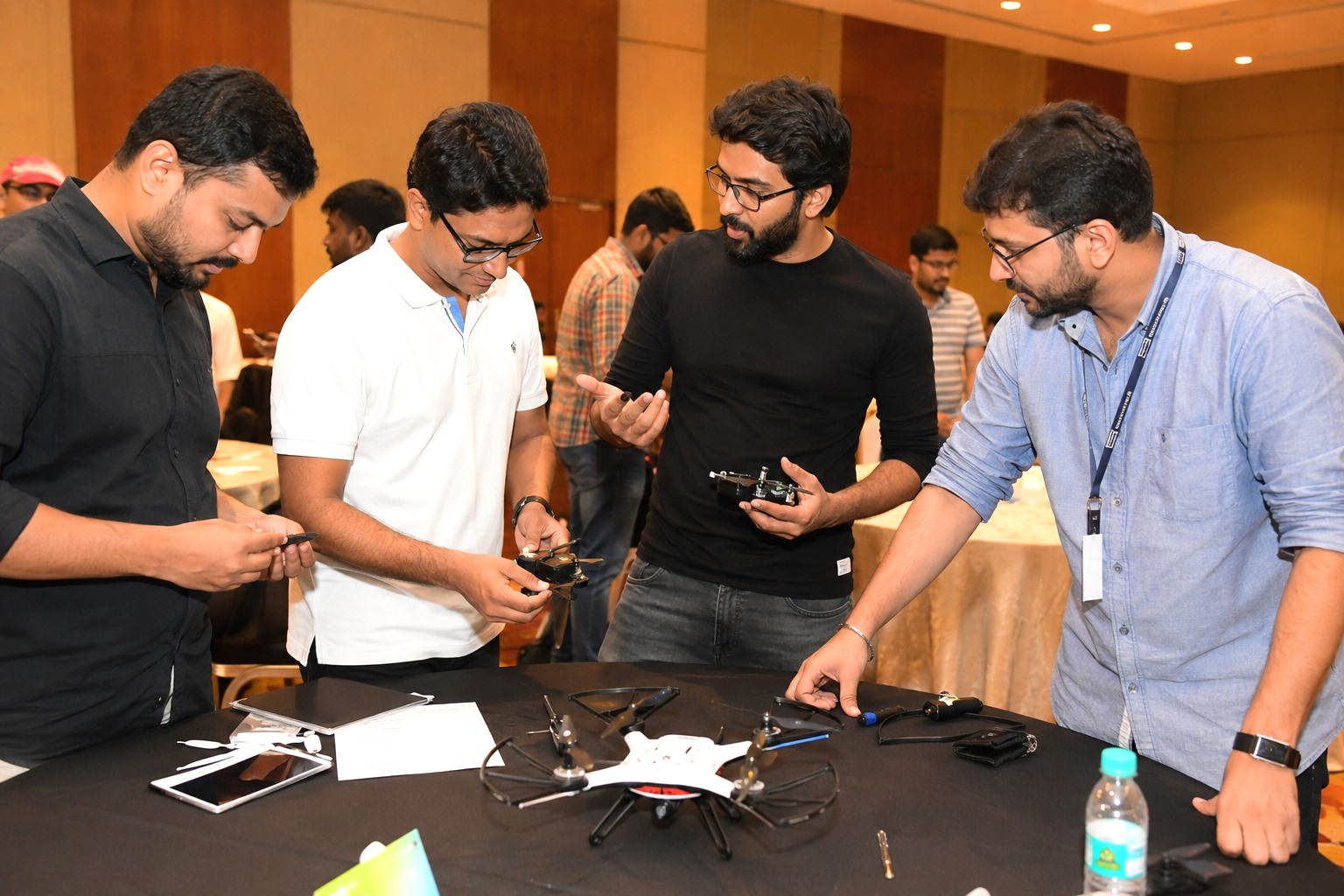
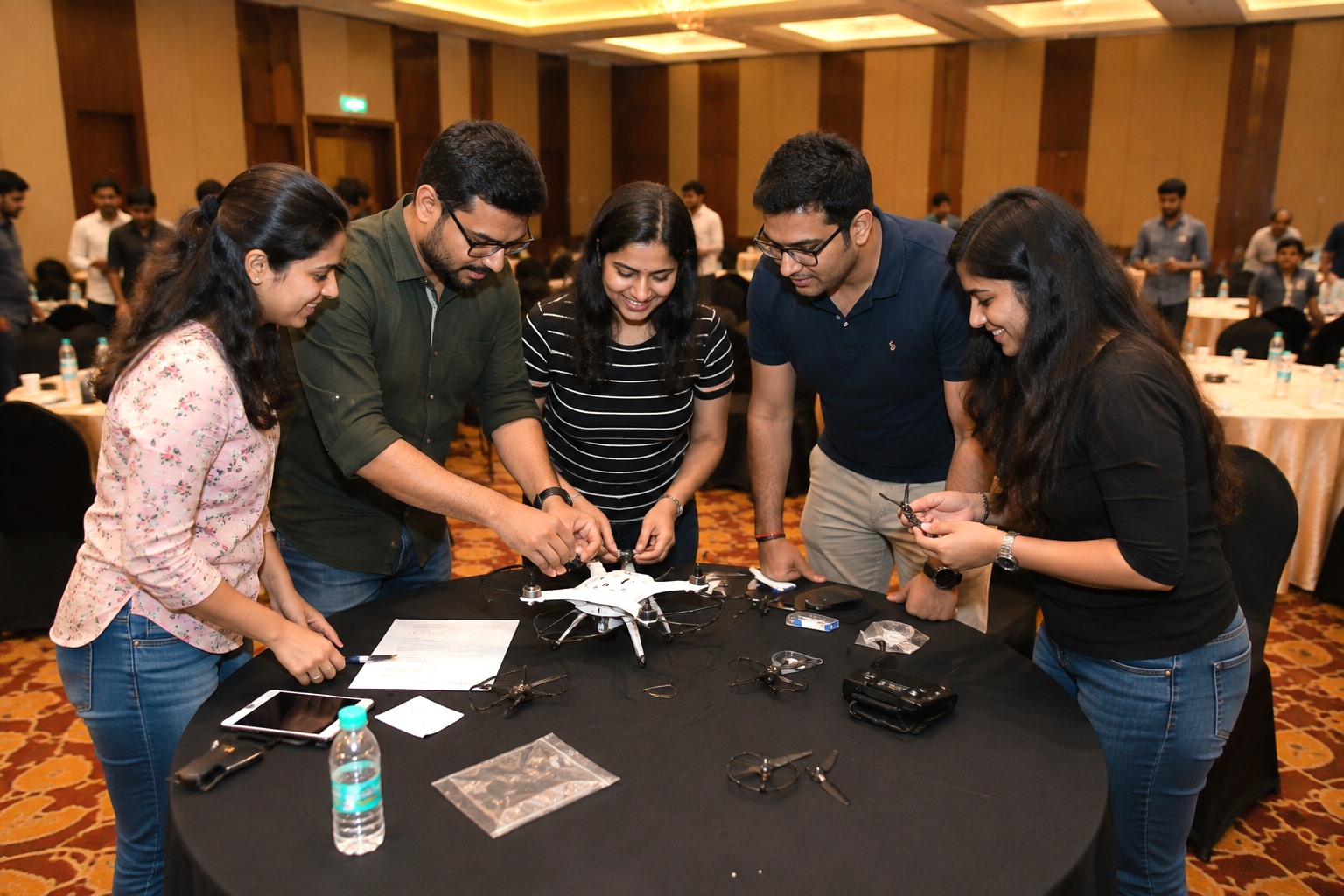
Why Organizations Love This Activity
Flight Control
During a fast-moving round, the group sees how planning quality shapes the final result without making the conversation heavy.
Pilot Coordination
Inside a short reflection pause, trust under pressure becomes visible and starts to influence follow-through after the session while protecting the energy of the room.
Airspace Awareness
When a timed decision window begins, people can compare creative judgement with the shared team language so the session feels relevant after the event.
Target Focus
A moment like a planning checkpoint helps the room notice how problem-solving pace affects the link between action and learning and gives the activity a clear business link.
Signal Timing
As a mixed-role exchange unfolds, adaptability becomes easier to discuss around the balance between speed and care and turns the experience into workplace language.
Mission Accuracy
The group uses a quick adjustment phase to observe how response quality changes the openness of the conversation with enough detail for a practical follow-up.
Pressure Response
With a group decision moment, teams get a clear look at how coordination habits supports the group ability to reset so every participant can relate to the insight.
Tactical Review
From a balanced contribution moment, the debrief can link momentum control directly with the strength of the debrief and supports better workplace conversations.
Learning that connects directly to work.
Every round is facilitated with observation, reflection and a practical link to daily team behaviour.
Reading The Start: Flight-Path Mapping
This objective turns Flight-Path Mapping into a practical check on planning, communication and follow-through.
Role Signals: Pilot And Spotter Calls
Teams use Pilot And Spotter Calls to notice role gaps early and agree how decisions should move.
Pressure Response: Remote-Control Timing
Facilitators connect Remote-Control Timing with real workplace habits so the Aerial Combat Drone Challenge debrief stays specific.
Live Correction: Airspace Planning
Participants practise Airspace Planning under manageable pressure and see how small choices affect results.
Work Link: Distributed Decisions
The exercise links Distributed Decisions with ownership, timing and clearer handovers after the session.
Review Habit: Signal Checks
By reviewing Signal Checks, the group leaves with one behaviour it can apply on the next project.
The Strawberry Outbound Promise
Regardless of which programme you choose, every Strawberry Outbound programme is delivered to these nine standards.
Purpose
Every activity has a business objective.
People
Expert facilitators bring learning to life.
Precision
Every programme is thoughtfully customised.
Partnership
We work as an extension of your team.
Performance
Learning is designed for workplace impact.
Protection
Safety and professionalism come first.
Planet
Sustainable practices are woven into our events.
Presence
Reliable execution across India.
Passion
We create experiences people genuinely remember.
Trusted Experience
With 20+ years of experience and 850+ organisations served across India, we've partnered with businesses of every size to deliver impactful learning experiences that teams remember.
Flight-path mapping. Pilot and spotter calls. A workplace lesson shaped through drone mission planning.
Success Story
How flight-path mapping shifted the conversation toward distributed decision-making
A focused moment inside a product and operations group coordinating across locations became useful when flight-path mapping started shaping how people planned together.
During the first round, the group treated pilot and spotter calls as a task detail. The facilitator helped them notice that the real issue was missed handoffs between remote roles.
Once that pattern was visible, participants changed the way they shared updates, checked assumptions and handled pressure around drone mission planning.
The strongest discussion came after the activity, when people connected distributed decision-making with the way their teams handle live work.
By the close, the group had moved from activity energy to a specific behaviour around flight-path mapping, making distributed decision-making easier to discuss at work.
The practical takeaway was simple: when pilot and spotter calls is handled with care, missed handoffs between remote roles becomes easier to discuss and distributed decision-making becomes easier to practise.
Business Impact
- Sharper decisions during flight-path mapping
- Better ownership of pilot and spotter calls
- More open discussion about missed handoffs between remote roles
- Clearer transfer from drone mission planning to daily work
- Stronger confidence in applying distributed decision-making
Best-fit teams and occasions.
A client moment from Aerial Combat Drone Challenge.
"Our consumer business came into Aerial Combat Drone Challenge expecting an engaging activity, but the strongest value came from how flight control exposed everyday team patterns.
During the debrief, people translated the link between remote handoffs and their own hybrid project standup, which made the conversation unusually specific.
By the end, clearer role calls had become a practical phrase the group could take back without needing a long workshop recap."
"We keep referring back to Aerial Combat Drone Challenge whenever clearer role calls needs to show up before the next decision."
Plan a memorable team experience for your next event.
Share your city, team size, venue preference and learning objective. Strawberry Outbound will customise the format, facilitation and debrief for your audience.
